

Call for the Return of the Canary Islands National Football Team
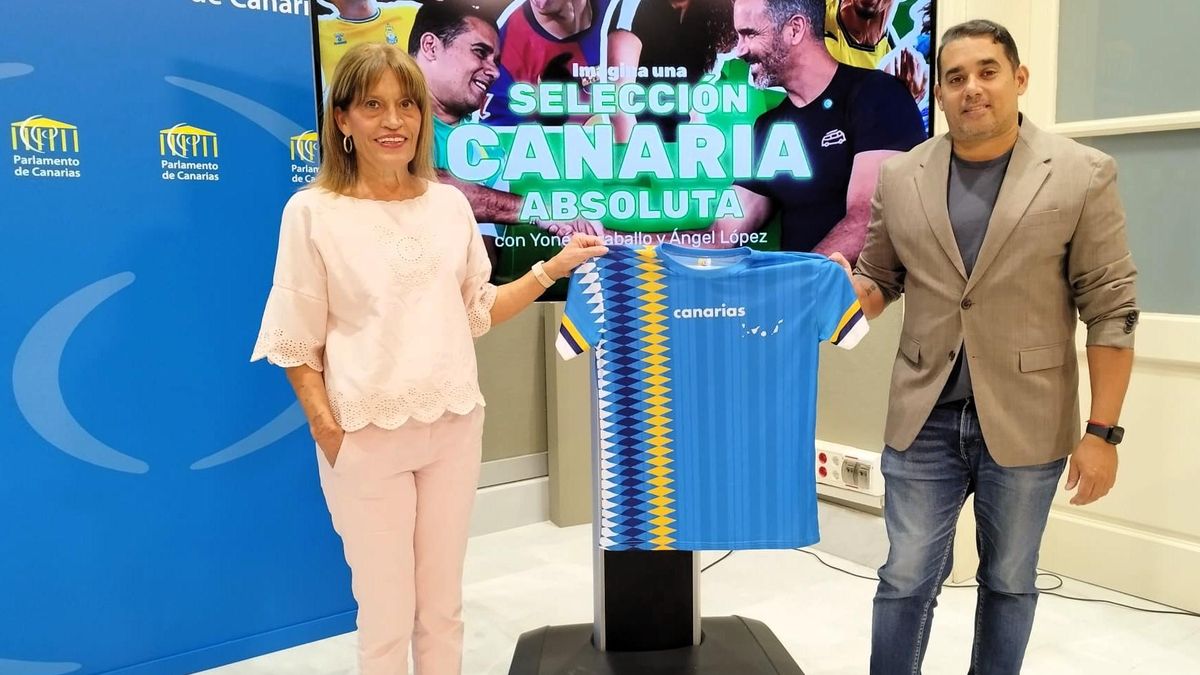
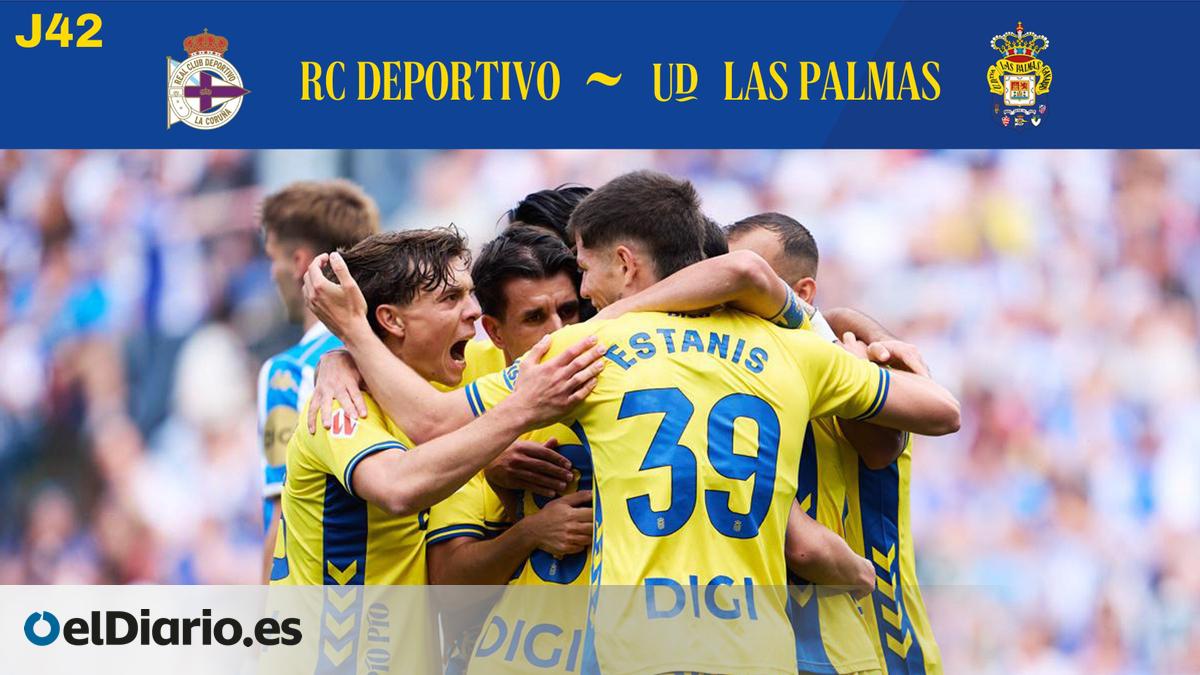
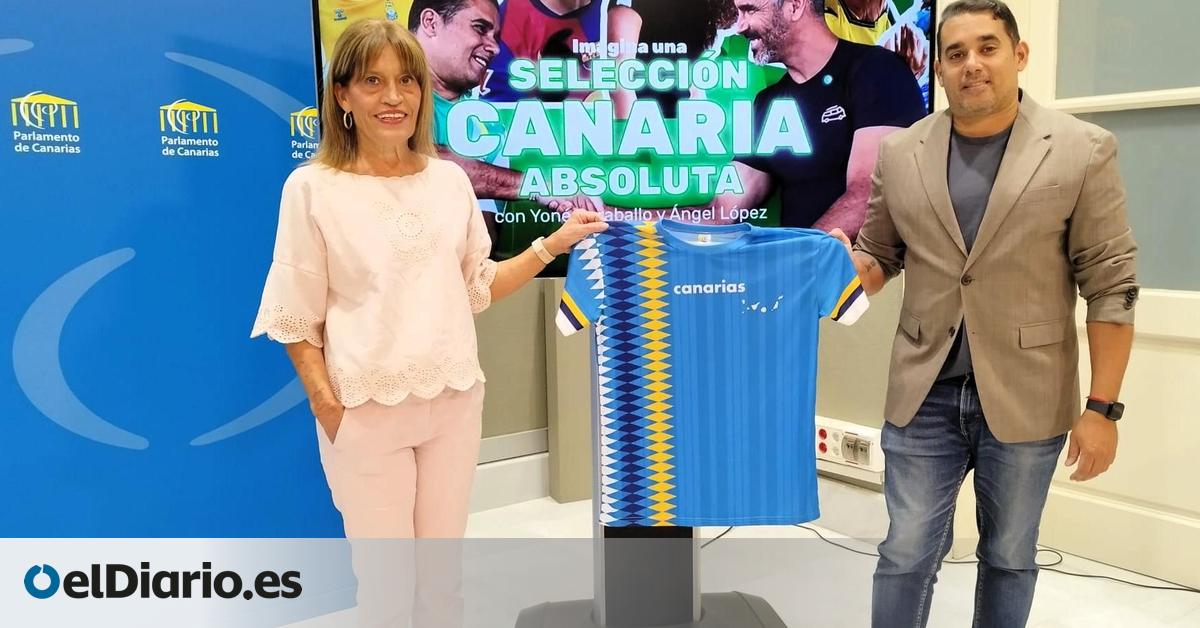
The deputy from the Yoné Caraballo group highlighted that the last time the Canary Islands National Team played a match was in 2007 against Angola at the Gran Canaria Stadium, describing it as “an authentic popular celebration.”
On Monday, Caraballo and Esther González, a parliamentary representative from Nueva Canarias-Bloque Canarista, presented a non-legislative proposal for the plenary session on Tuesday. This proposal calls for the return of both the women’s and men’s Canary Islands Football Teams as “an expression of Canary pride, a living symbol of unity, and a commitment to youth and the international projection of the Archipelago through their participation as invited teams in competitions and tournaments,” as stated by the party in a press release.
Significance of the Proposal
This proposal coincides with the upcoming celebration of the Canary Islands National Flag Day on 22 October.
Caraballo emphasised that the non-legislative proposal has a strong identity character. “It goes beyond sport because it represents who we are and what we want to project from this corner of the Atlantic to the rest of the world,” the deputy from Nueva Canarias remarked.
According to the NC-BC parliamentarian, “our flag” embodies “social justice, union struggles, sustainability, culture, and identity.” Sport, and particularly football, Caraballo reiterated, “is also part of that expression of what we are as a people.”
A Unifying Event
He notably recalled the last time the Canary Islands National Team played in 2007 against Angola at the Gran Canaria Stadium. “It was a truly popular celebration,” he stated. Families, children, the elderly, residents from El Hierro, Lanzarote, La Palma, and Tenerife, among others, “all united under one flag. It was proof that there is a real, sincere, and lasting demand to see the Canary Islands recognised in the sporting realm,” he pointed out.
The nationalist deputy explained that this initiative does not aim for a mere symbolic gesture, but rather a strategic, social, and emotional decision. “Reviving the Canary Islands National Team is about strengthening the cohesion of the Canary people, giving visibility to our footballers, and providing our youth with a shared sense of pride,” he stressed.
Celebrating Historical and Current Talents
He also mentioned historical figures in Canary football such as Juanito Guedes, Tonono, Germán Dévora, Valerón, Silva, Pedro, and Rubén Castro, alongside current stars like Misa Rodríguez, Pedri, Paola Hernández, Moleiro, Kirian Rodríguez, and Jeremy Pino.
“Imagining a team with this talent defending the colours of our eight islands would be a symbol of unity and hope, a reflection of the best of ourselves,” defended Yoné Caraballo.
He noted that various nations without statehood participate as invited teams in continental tournaments around the world. “The Canary Islands can and should aspire to that. We have history, identity, talent, and a society that feels football is something deeply rooted in us,” he stated.
A Call for Institutional Support
The non-legislative proposal urges the Government of the Canary Islands to act decisively and courageously to establish a stable structure for both the men’s and women’s Canary Islands Football Teams, supported by institutional backing, serving as a social, cultural, and economic engine while strengthening the sense of belonging and international projection of the Canary Islands.
According to NC-BC, the Canary Islands needs “living symbols that remind us of who we are and what we can achieve.” Supporting the Canary Islands National Team is “supporting our youth, our culture, and the right of this people to take its deserved place in Spain and the world. Because the Canary Islands not only wants to compete. The Canary Islands wants to represent, inspire, and unite,” expressed Yoné Caraballo.