

Gran Canaria’s Economic Growth Amid Global Challenges
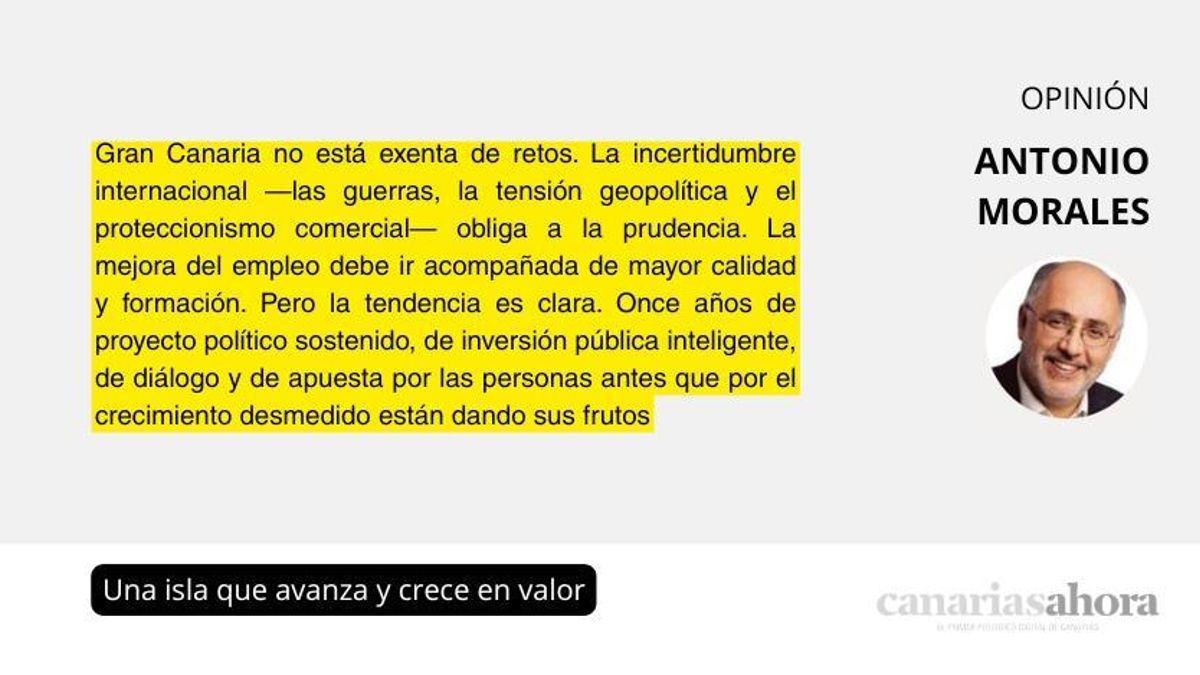
Gran Canaria is navigating significant challenges, including international conflict and economic protectionism, which demand cautious governance. Recent developments show a promising trend: a sustained political project focused on public investment and community engagement is yielding positive results.
The third “State of the Island” debate, held on 22 and 23 September, highlighted the government’s accountability and commitment to improvement. Contrary to opposition claims, government data reveals that Gran Canaria is experiencing historic job growth, aiming for a sustainable model geared towards “Gran Canaria 2050.”
Despite widespread disappointment with global politics, the island’s progressive government takes pride in fostering institutional respect and dialogue. This stability has enabled long-term planning and structural reforms that are already bearing fruit.
The Cabildo is emerging as a credible institution, advocating for just state investments and addressing issues such as the transformation of Gran Canaria into a migrants’ internment zone. The public’s support was evident during the visit from Pope Leo XIV on 11 June, reflecting a strong Gran Canarian identity.
Unemployment figures demonstrate the island’s healthy economy. In 2025, Gran Canaria recorded 376,895 jobs—up 2.3% from the previous year—with social security registrations exceeding 360,000 for the first time. Unemployment fell by 6.6% to approximately 63,000, marking a historic low of 14.8%.
Critically, this improvement is inclusive. Female unemployment is declining, and youth unemployment dropped below 20% in 2025, down from 45% in 2015. A thriving job market for young people is essential for Gran Canaria’s future.
Further data from early 2026 reinforces this positive trajectory. The first quarter saw the highest employment figures on record, with 381,390 people employed and an unemployment rate of 14.5%. There has also been growth in medium-sized businesses and an increased presence of large companies investing in the island.
Tourism is on the rise, with Gran Canaria welcoming 4,856,485 visitors in 2025, a 2.97% increase. Tourists spent an average of €180.66 daily, leading to a 4.3% rise in tourism revenue, reaching €6.28 billion. This growth strategy prioritises high-value tourism that minimises environmental impact.
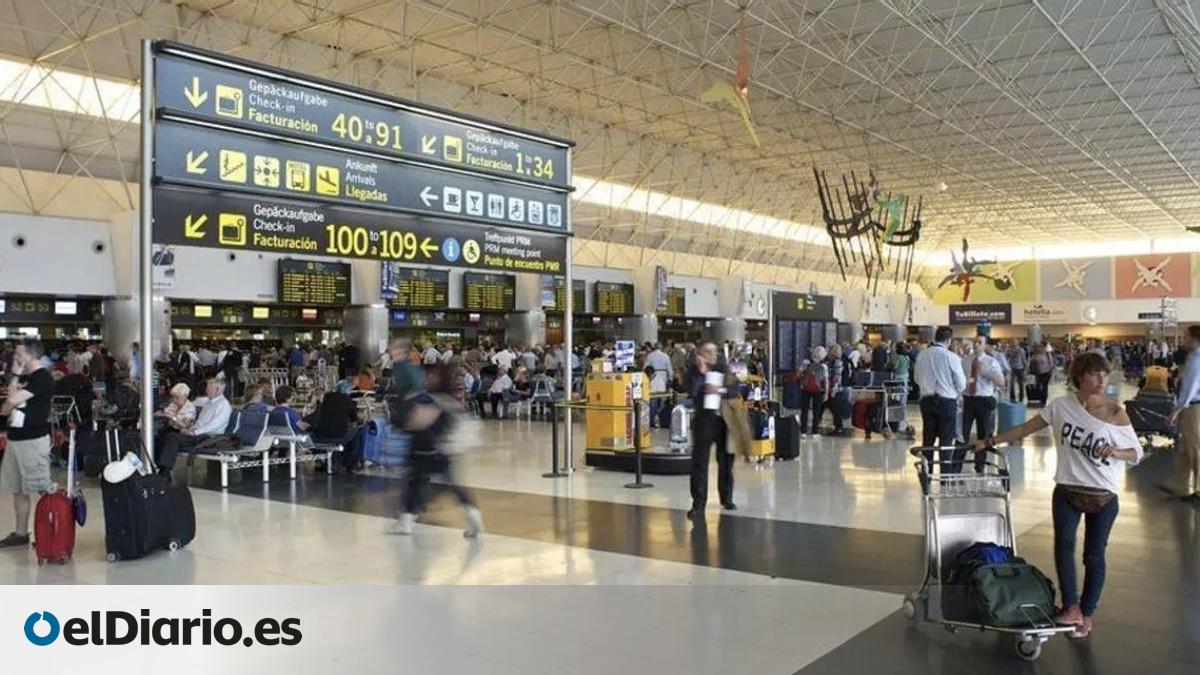
Gran Canaria’s airport and port are further indicators of its economic vitality. The airport handled 15.8 million passengers in 2025, making it the busiest in the Canary Islands. Meanwhile, the Port of Las Palmas moved over 32 million tonnes, securing its spot as the fourth-largest in Spain.
Public transport usage reached an all-time high of 107 million trips, supported by significant investments in making transport free for residents. The government has also launched various infrastructure projects aimed at sustainable mobility.
Renewable energy made up 28.17% of the island’s energy mix in 2025. The Chira project is crucial to this progress, aiming to enhance energy and water sovereignty through desalination.
Public spending is at a record level, with over €120 million allocated for healthcare infrastructure alone. Education funding has increased, benefiting around 1,500 students.
Gran Canaria faces continuous challenges, including the need for better job quality and training. However, the steady progress over the last eleven years suggests a positive outlook for the island’s development, reflecting collective effort towards a prosperous future.