

Protests Demand Greater Support for Inclusive Education in the Canary Islands

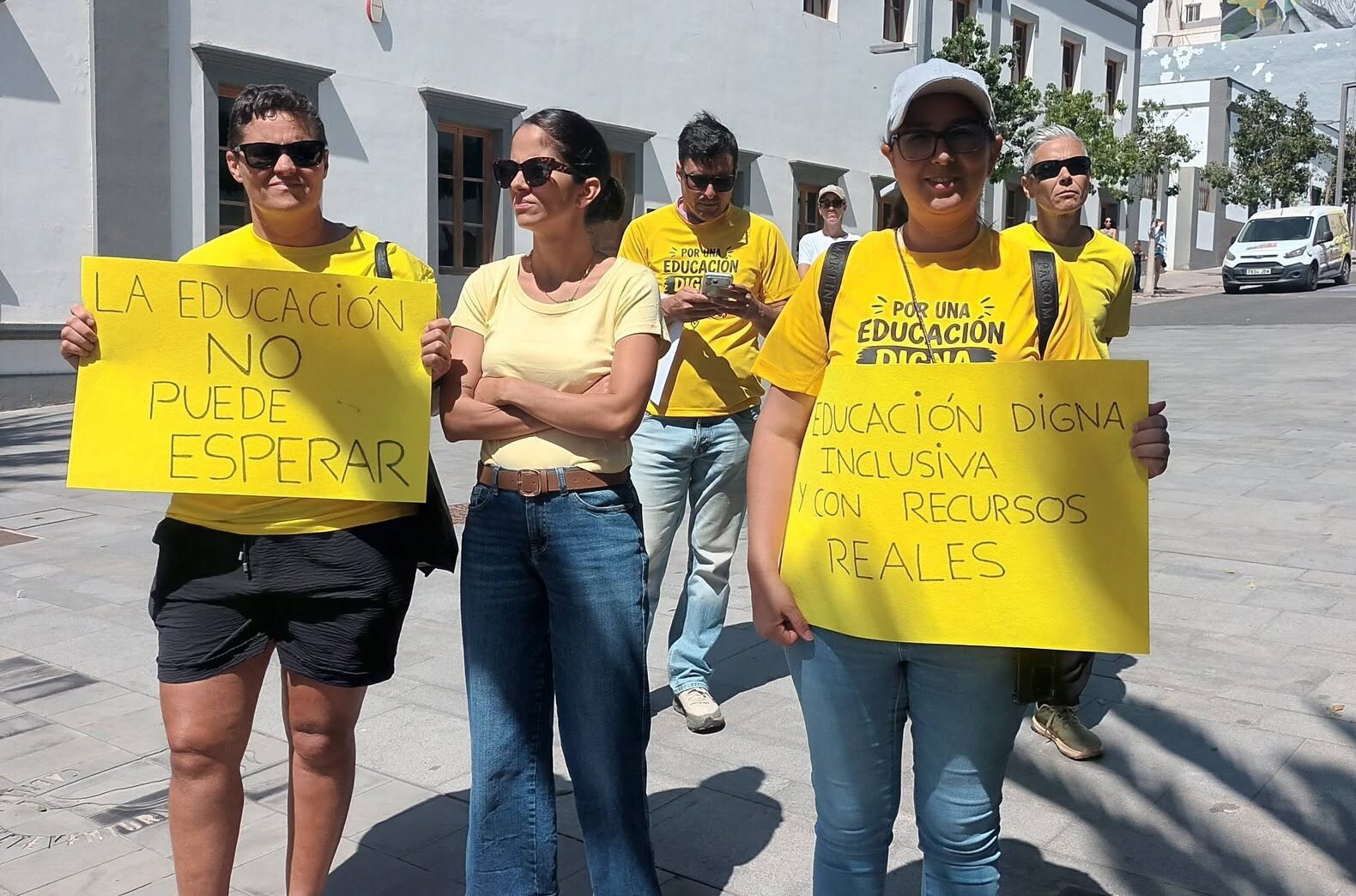
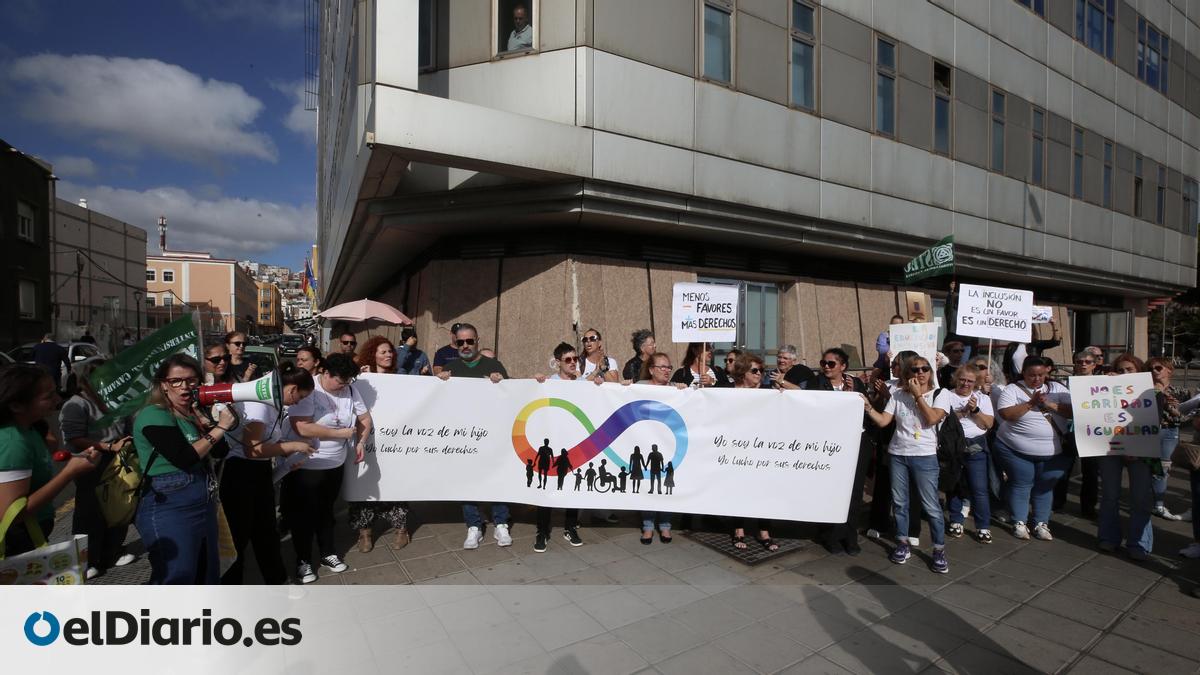
Various protests have taken place in Gran Canaria, Lanzarote, Fuerteventura, and Tenerife. The latter island featured representation from families from La Gomera and La Palma. Carolina Buriticá, president of the calling platform, highlighted that the current educational system “disables” students with disabilities or specific educational needs.
Calls for Genuine Support
Demonstrations organised by the Platform for Inclusive Education in the Canary Islands have called for a public school system that provides “real support” for students with disabilities or specific educational needs (NEAE), emphasising that “no child should be left behind.”
The protests occurred simultaneously across Gran Canaria, Lanzarote, Fuerteventura, and Tenerife, with families from La Gomera and La Palma showing their solidarity.
Buriticá noted that the lack of necessary resources leads to the exclusion of these students from the “ordinary educational environment,” even within special educational centres or enclave classrooms.
“Enough of the lies,” she declared, alleging that the Ministry is “now trying to address issues that were needed three years ago.” She pointed out that the number of students with disabilities or NEAE has risen exponentially.
Need for Professional Support
The call is not only for teaching assistants but also for professionals who can facilitate co-teaching, a successful practice in other autonomous communities. This aims to ensure that children with disabilities can enjoy “true inclusion” and receive support “where they need it.”
Buriticá argued against the systemic tendency to divert students to special education, where “there is no academic curriculum.” She emphasised that cases managing to “pass through the filter” to receive education in ordinary settings are “exceptional.”
“Because of their condition, it seems that discrimination can be justified: since I cannot provide the resources they need, I will remove them from the ordinary system… they are saying our children are surplus,” she lamented.
Additionally, she highlighted that among children with intellectual disabilities, who “cannot all be lumped together,” there is a “widespread illiteracy” due to a lack of qualifications.
Limited Options After School
The only alternatives left for these students after completing their prescribed pathways are the NEAE +21 programme or adapted vocational training, “to allow them to remain within the system for a few more years.”
However, “the majority,” Buriticá stressed, remain at home with their families “not knowing what to do, without an opportunity to develop professionally. This is an education that disables,” she asserted.
She added: “If they are not given tools to be socially useful and develop professionally, tomorrow we will have more dependency.”
Buriticá indicated that their presence on the streets today was “not to demand recognition of rights for our children as they are already recognised.” She considers this situation particularly “serious” as it represents a violation of the law.
She believes the current “segregation” is a “matter of ideology” and warned: “We cannot allow politics to interfere with our children’s rights.”