

Canary Islands Government Advocates for Regional Support at EU Parliament
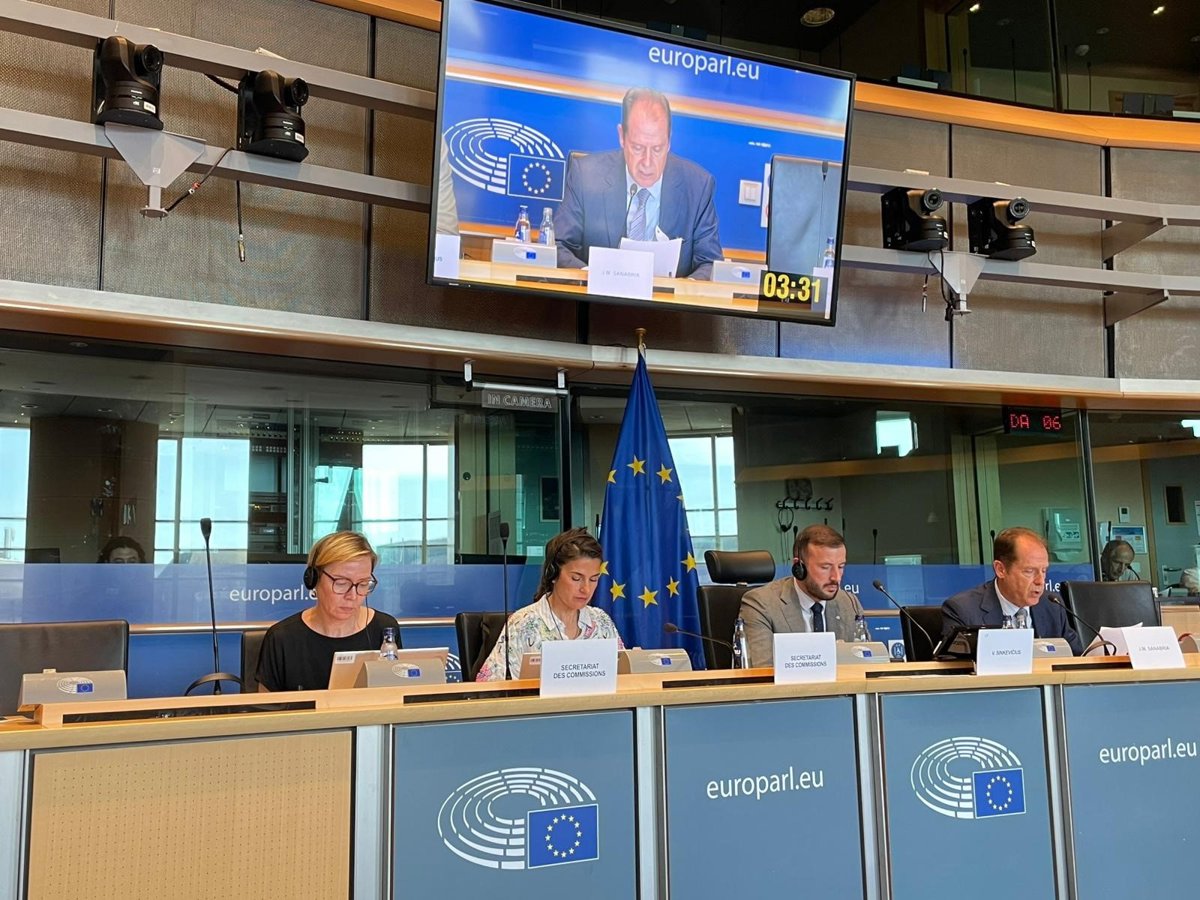
The Canary Islands Government has called for specific recognition of ultra-peripheral regions (RUP) in European transport and tourism policies, emphasising that air and sea connectivity is vital for their economic and social development. During a session at the European Parliament’s Transport and Tourism Committee, José Manuel Sanabria, the Deputy Minister for Tourism, highlighted the importance of extending exemptions within the Emissions Trading System (ETS) and allowing public subsidies for new air routes.
Sanabria stressed the need for a European tourism strategy that not only supports economic growth and job creation but also protects the welfare of local residents and preserves cultural heritage. He warned that the implementation of certain EU environmental measures could disadvantage the Canary Islands against non-EU competitors, stating that if sustainable fuel is not available in RUP, it would unfairly penalise these regions.
He further noted that airlines currently bear the carbon emission costs, which could impact the competitiveness of the archipelago in the future. As demand normalises, airlines will allocate capacity based on profitability, putting the Canary Islands at a disadvantage against destinations without these added costs.
Sanabria described air and maritime connectivity as “essential infrastructure,” arguing that without effective transport, tourism, and commerce would suffer. He reiterated the need for ongoing public funding under EU regulations to enhance accessibility and diversify the source markets for the islands.
Regarding maritime transport, he pointed out the unequal competition faced by EU ports compared to those in third countries, as intra-European routes bear 100% of emission costs, while external connections face only 50%. This discrepancy is already diverting traffic to African ports.
With over 2.2 million residents, the Canary Islands are the most populated RUP in the EU, with tourism accounting for approximately 38% of GDP and 40% of employment. Sanabria urged the EU to consider the unique needs of island territories in the upcoming European Sustainable Tourism Strategy, advocating for policies that benefit local populations and improve their quality of life.
He concluded by insisting that future EU decisions should reflect the specific circumstances of ultra-peripheral regions, noting that the equality of territories does not mean applying the same solutions to differing realities. “European islands are essential to our heritage, economy, and external projection. We only ask for the European rules not to place us at a disadvantage compared to those not obligated to comply,” he asserted.