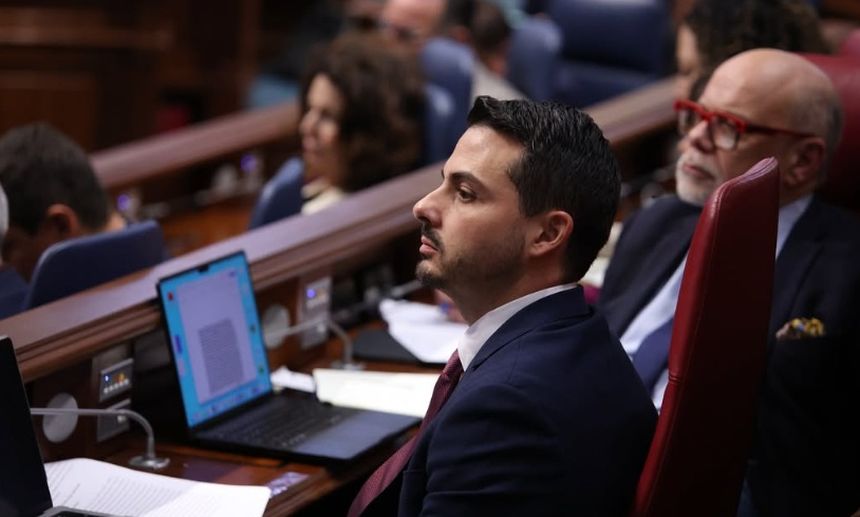



Carmen Hernández, a member of the New Canarias-Canary Block (NC-BC) party, has announced a proposal aimed at addressing the worsening mental health of children and adolescents across the Canary Islands. At a parliamentary session, she will present a motion to enhance suicide prevention, improve educational support, and foster better coordination among government agencies.
Hernández stressed the urgent need for a comprehensive and coordinated response from the Canarian government, citing alarming increases in emotional disorders, self-harm, and suicide attempts among young people. She described this as one of today’s key social and educational challenges, arguing that it cannot be tackled with piecemeal measures. Instead, there needs to be a clear, stable, and adequately resourced preventive model.
The MP highlighted that the Canary Islands have some of the highest suicide rates in Spain. Recent data indicate a worrying trend in the mental health of children and teenagers, making schools critical environments for prevention and early detection.
However, she warned that educators have been raising concerns about insufficient resources, overwhelmed guidance services, and a lack of coordination with the Canary Health Service and social services.
The region’s particularly vulnerable socio-economic context, marked by high child poverty rates and inequality, further affects the emotional wellbeing of its youth. Hernández argued that mental health issues must be viewed in light of living conditions, poverty, uncertainty, and missed opportunities. Her motion includes measures aimed at reducing inequalities and tackling structural factors impacting children and adolescents.
NC-BC’s proposal outlines a range of initiatives to strengthen the educational system and improve the coordination of interventions among public departments. Key measures include a thorough review of the existing Suicide Risk Intervention Protocol in educational institutions, focusing on updated data regarding its implementation and effectiveness.
The proposal also seeks to bolster staffing in schools, advocating for more guidance professionals, psychologists, social workers, and support teachers. It calls for immediate replacement of staff members on leave or retiring to prevent burnout among existing teams.
Additionally, the motion aims to clearly define the role of educational psychologists in schools to avoid overlap with current guidance services. Hernández emphasised the importance of integrating new roles thoughtfully, ensuring they complement existing educational frameworks.
The initiative promotes a holistic, preventive, and inclusive approach that avoids pathologising emotional distress among children and prioritises student wellbeing in public policy. It proposes introducing social educators into schools and implementing stable programmes focused on emotional education, suicide prevention, psychological wellbeing, and positive interactions to combat bullying and cyberbullying.
Improving coordination between the Departments of Education, Health, and Social Services for early detection and rapid referral is another key focus of NC-BC’s initiative, alongside updating a collaboration agreement between Health and Education that has been in place since 2011.
Hernández concluded by emphasising that this motion represents a serious national response to a complex problem that cannot fall solely on teachers or be addressed from a strictly clinical standpoint. It encompasses child wellbeing, emotional health, inequality, poverty, community, and rights—issues that demand comprehensive public policies, resources, and political will.