

Cabildo’s New Measures to Combat Phylloxera in Tenerife
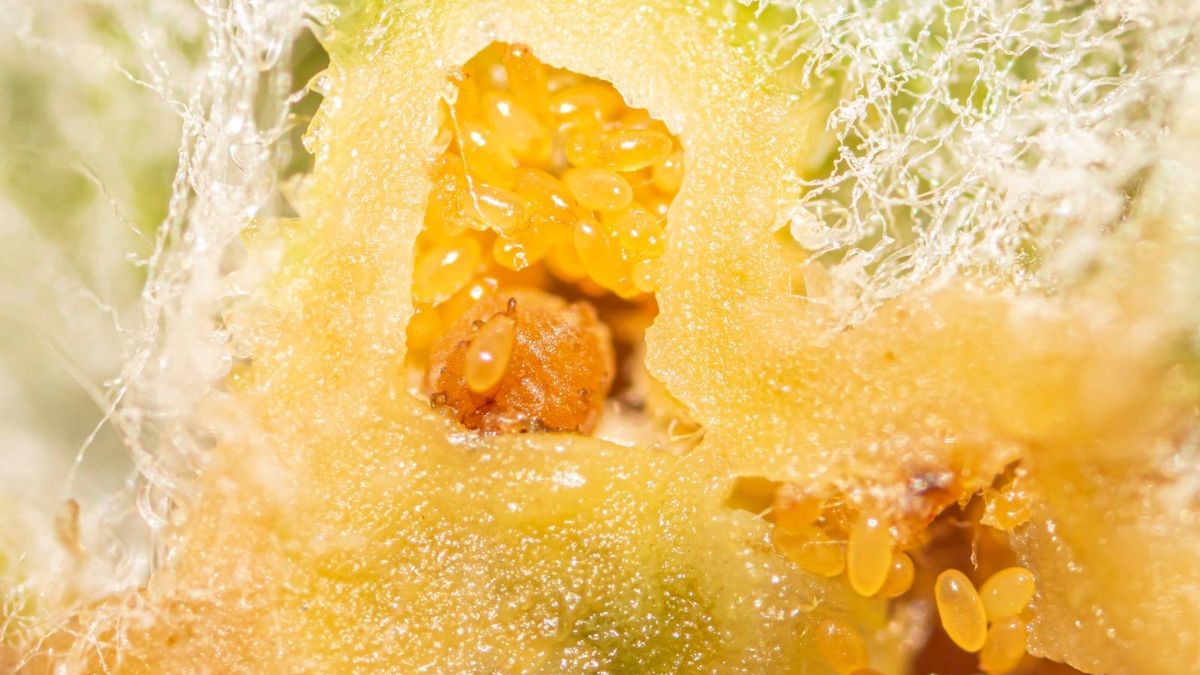
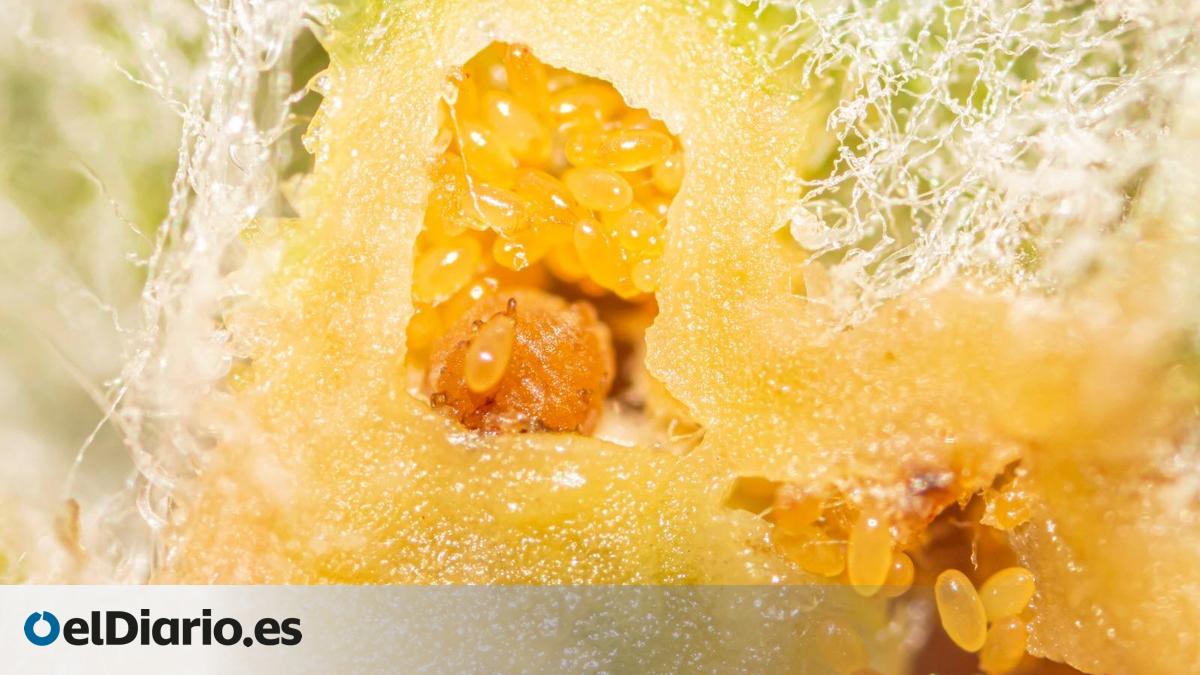
The Ministry of Agriculture has reported that this year, 1,054 inspections have been conducted on the island, identifying the latest cases in abandoned farms located in the “zero zone”. These are the new measures implemented by the Cabildo to prevent the spread of phylloxera in Tenerife.
The Minister of Agriculture, Livestock, Fisheries, and Food Sovereignty of the Canary Islands Government, Narvay Quintero, updated information regarding phylloxera during a technical follow-up meeting on Monday, announcing four new positive cases in Tenerife following the completion of the second round of inspections conducted across all the islands.
### Latest Findings
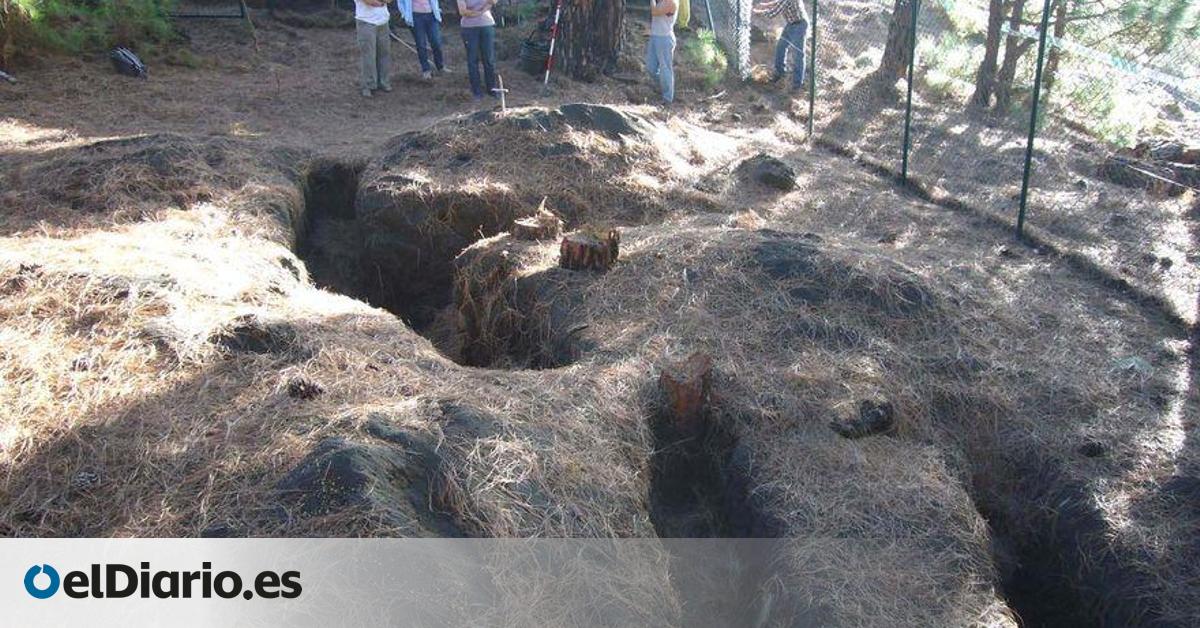
During the meeting, Quintero revealed that these new cases were identified between April and May in abandoned farms situated in the “zero zone”, which pertains to the area under the Protected Designation of Origin Tacoronte-Acentejo.
He noted that a total of 9,610 inspections have been conducted to date, of which 1,831 occurred this year, resulting in only these four positive cases. Last year, there were 7,779 inspections yielding 89 positive results, all found in Tenerife, and the materials have since been treated and disposed of.
### Efficacy of Control Measures
Following these findings, Quintero asserted the effectiveness of control and eradication measures implemented over the past year by the regional government in collaboration with the Regulatory Councils of the Protected Designations of Origin for Canary Islands Wines and the island councils. “We have prevented the pest from spreading to other territories of the archipelago,” he emphasised.
Out of the inspections performed this year, 1,054 were done in Tenerife, which remains the only island affected by phylloxera. Inspections in other islands included 346 in Lanzarote, 142 in La Palma, 110 in Gran Canaria, 71 in El Hierro, 67 in Fuerteventura, and 41 in La Gomera.
### Legislative Adjustments
In this context, Quintero announced, “As there are no cases outside the demarcated zone and the situation remains under control, we will start working on a legislative modification to relax phytosanitary measures ahead of the next harvest.” This refers to the Order of 20 August 2025, which declares the fight against vine phylloxera in the Canary Islands to be of public utility and establishes urgent measures for its control and eradication.
The previous harvest was particularly challenging for farmers, but we managed to overcome it with strict controls tailored to the needs of the moment, amid an unfamiliar situation at that time.
### Follow-Up Meeting Insights
The meeting also featured participation from the Deputy Minister for the Primary Sector, Eduardo García, along with technical staff from the Plant Health Service, the public company Gestión del Medio Rural de Canarias (GMR Canarias), and representatives of the Regulatory Councils of the Protected Designations of Origin for Canary Islands Wines, island councils, agricultural professional organisations, and the Nature Protection Service (SEPRONA), among other entities.
Discussions included the effects of measures implemented since the first detection of the pest in July 2025. They also presented the key aspects of the current study on the state of viticulture in the Canary Islands, which forms the basis of the Strategic Wine Plan for the Canary Islands, a commitment made by the Canary Government following the pest detection and which has been under development since last year.
### Research and Development
Additionally, the actions taken by the Canary Islands Government since the detection of this harmful organism were reviewed. Among these measures, Quintero highlighted trials conducted using resistant vine rootstocks—a project aimed at analysing the agronomic performance of various rootstocks as grafts for traditional Canary Islands varieties and their adaptation to the diverse soil and climatic conditions of the archipelago.
These studies are being conducted on parcels of approximately 2,500 square metres, with owners voluntarily participating in the initiative. These parcels are linked to the Protected Designations of Origin for Canary Islands Wines and are located in Tenerife, La Palma, La Gomera, Gran Canaria, Lanzarote, and Fuerteventura.
The ministry covers the costs of the actions, manages the grafting through specialised personnel, and conducts technical follow-up throughout the duration of the activity, which is estimated to last five years.
Additionally, it will provide financial compensation for participating farmers, with a grant of 4,000 euros during the first year for the implementation phase, and an additional 1,000 euros for each of the following four years, intended for the maintenance stage of each trial parcel.
### Future Prospects
Finally, the department noted that the work undertaken by the Canary Islands Government forms part of the national programme for implementing phytosanitary regulations, specifically the contingency plan for phylloxera. This plan has been developed by the Ministry of Agriculture, Fisheries, and Food, laying the groundwork for addressing any future eventualities.
Notably, it is the first plan of this kind implemented in Spain and encompasses many of the actions and measures conducted in recent months.
In this context, Quintero looked to the future, stating, “In the Canary Islands, we are in the eradication phase.” However, he cautioned that if this process is successfully completed, it could make the archipelago the first European region to eradicate this pest, as, in other territories, while contained, it has not been entirely eradicated.